

Energy Management
Supporting the SDGs Goals
The Bank has established a comprehensive plan to monitor and mitigate greenhouse gas (GHG) emissions arising from our operational activities. Key initiatives include upgrading existing electrical equipment to energy-efficient models and prioritizing high-efficiency air conditioning systems for all new installations and replacements. These efforts are strategically designed to reduce our operational carbon footprint, optimize energy consumption, and align our business practices with the Sustainable Development Goals (SDGs).
Stakeholders Directly Impacted



Our Goals
- Sending reminder emails to employees prior to long holidays to switch off and unplug electrical equipment.
- Setting air-conditioning temperatures within the range of 24–26°C to improve energy efficiency.
- Turning off lighting in unused or unnecessary areas.
- Collecting and monitoring energy consumption data to support analysis and continuous improvement of energy-saving plans.
- Establishing fuel quotas based on job functions and relevant positions.
- Promoting the use of online meeting systems to reduce travel and associated carbon emissions.
- Collecting fuel consumption data to analyze and improve long-term energy efficiency.
2025 Performance Highlights


Management Approach and Value Creation
The Bank remains committed to continuously reducing internal energy consumption by implementing its energy management plans and communicating these initiatives to employees through various channels. Employees are encouraged to follow energy-saving practices, such as turning off lights and unplugging electrical equipment when not in use, at the end of the working day or during long holidays. In addition, the Bank systematically records and monitors energy consumption data to evaluate performance and improve operational plans. The Bank has set a target to reduce energy consumption by at least 5% annually to support sustainable operations and minimize environmental impacts.
Building Environmental Conservation Awareness
The Bank prioritizes the development of human resources by providing accurate environmental knowledge and expertise to our employees, customers, business partners, and relevant stakeholders.
To empower our workforce as a key driver in fulfilling the Bank’s environmental policies and strategies, we organized various environmental training sessions and educational programs in 2025. We also consistently disseminate information regarding the importance of resource efficiency to our employees, such as:

“Business and GHG Emission Reduction” Business and Greenhouse Gas Emission Reduction

Carbon Credit Opportunities for SMEs
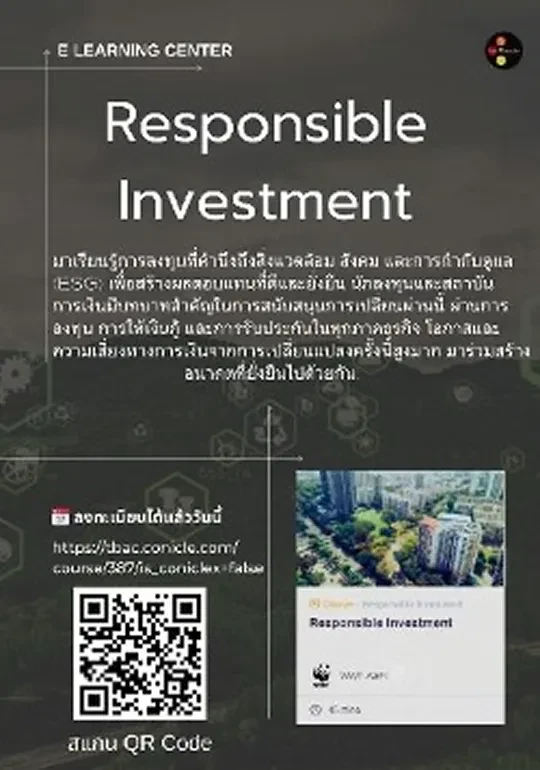
Responsible Investment

Thailand Taxonomy I

Organizational Carbon Footprint Assessment Methodology



Communication to educate about climate change



Communication to raise awareness and highlight important ESG-related days