
Human Resources Management and Development
Supporting the SDGs Goals
Thai Credit Bank Public Company Limited believes that its people are the Bank’s most valuable asset and a key driver in achieving its mission and sustainable goals. The Bank therefore emphasizes proactive human capital management, which goes beyond conventional personnel administration to foster an ecosystem of continuous learning and sustainable growth.
This approach aligns with the Bank’s sustainable development strategy, which focuses on holistic employee care encompassing compensation, benefits, occupational health, and workplace safety in accordance with international standards. Furthermore, the Bank supports every employee’s growth alongside the organization, guided by our core philosophy: “Everyone Matters.”
Stakeholders Directly Impacted
The Bank’s human resource management and development involves multiple stakeholder groups who play a collective role in driving organizational sustainability, including:



Our Goals
2025 Performance Highlights


Challenge and Opportunity
The Bank’s primary challenge lies in developing personnel skills to keep pace with technological shifts and changing consumer behavior. Simultaneously, we must foster an organizational culture rooted in ethics, transparency, and respect for diversity. Striking a balance between “efficiency” and “fairness” in human resource management is therefore essential.
However, business opportunities arise from the Bank’s ability to leverage the power of its personnel those who possess the knowledge and understanding of sustainability and social consciousness to drive socially responsible financial services. This empowers the Bank with the potential to lead in “People Development for Sustainable Banking,” which aligns with our core philosophy, “Everyone Matters,” and supports the United Nations Sustainable Development Goals (UN SDGs), particularly Goal 8: “Decent Work and Economic Growth.”
Management Approach and Value Creation
Thai Credit Bank recognizes that employees are the “heart of driving the organization.” We are therefore committed to developing a human resource management system aligned with our sustainable growth strategy. The Bank has established comprehensive personnel management policies covering recruitment, development, retention, and the creation of incentives for employees to grow alongside the organization in the long term.
The Bank maintains a fair and transparent employment policy, along with an appropriate compensation and benefits system to ensure stability and motivation. This is coupled with creating a safe working environment, promoting good occupational health, and supporting employee well-being in accordance with legal requirements and international guidelines.
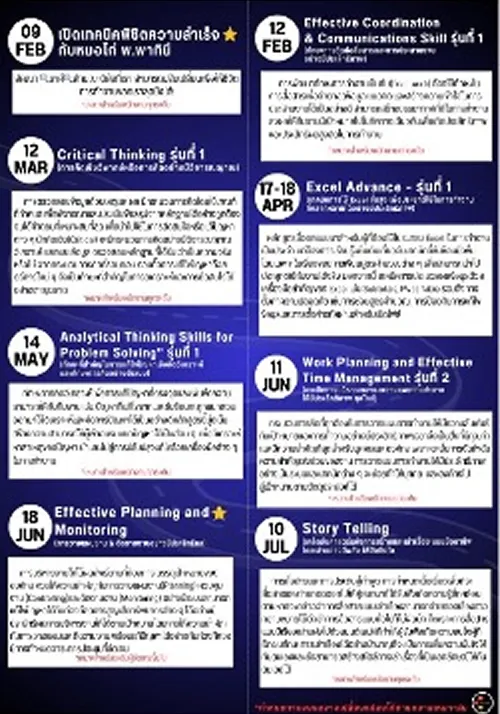
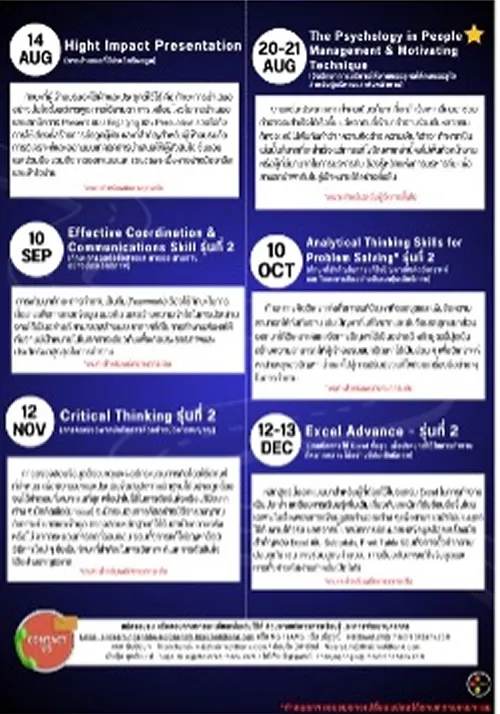
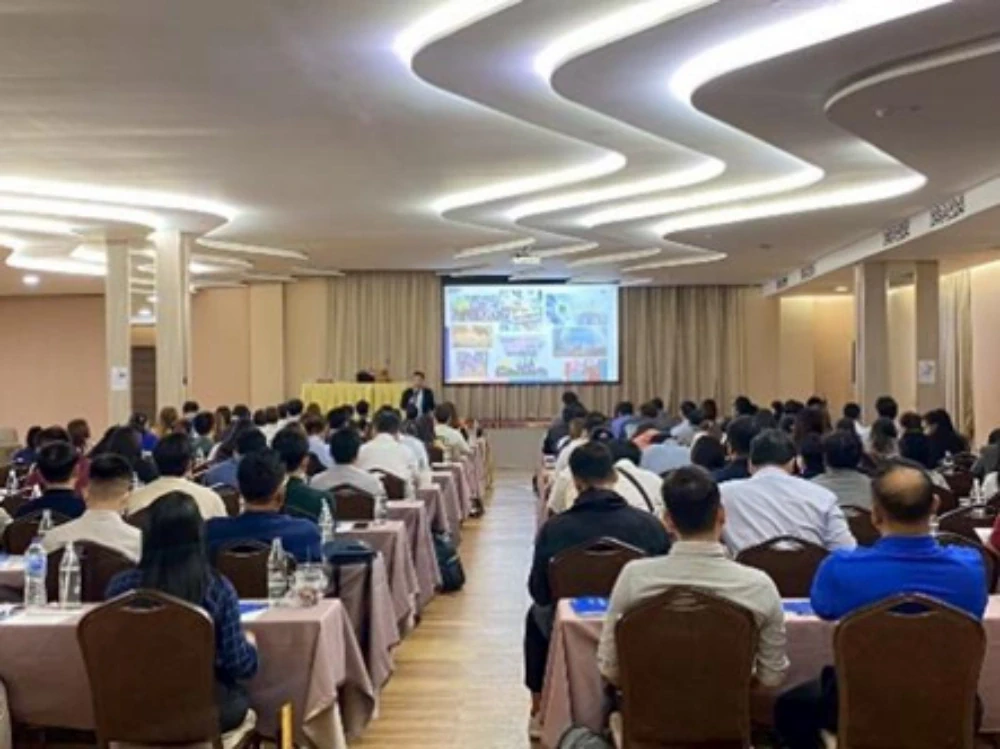
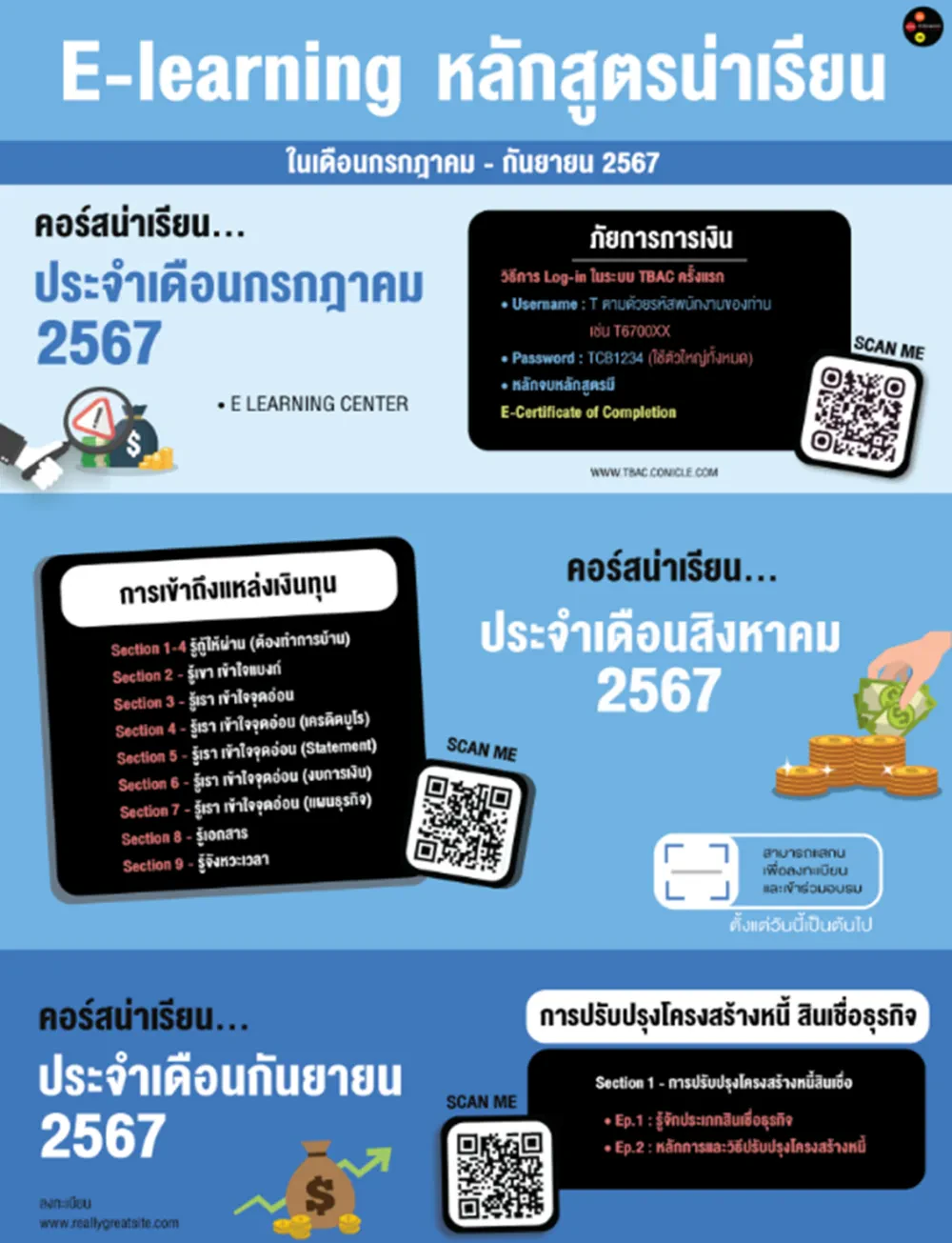
In terms of knowledge development, the Bank provides continuous training and development programs, both internally and externally. These include the development of Soft Skills, Digital Skills, and Leadership Programs to empower personnel for shifts in the business and technological landscape. Furthermore, the Bank encourages employee participation in learning through internal platforms, such as e-Learning systems.


The Bank also prioritizes transparent and comprehensive internal communication through various channels to build mutual understanding and a strong organizational culture. These approaches reflect the Bank’s commitment to creating “Shared Value” between the organization and its employees. We believe that holistic and continuous employee care is the vital foundation for being a “Sustainable Bank” that is ready to grow alongside society.
The “ASFI Academy: Fundamentals of Responsible Banking” curriculum provides a comprehensive foundation in responsible banking practices, aligned with international ESG reporting frameworks. The course specifically focuses on strategic guidelines for managing environmental, social, and governance (ESG) risks and impacts through the specialized 3Rs framework, ensuring that banking operations meet global sustainability standards.
Training and assessment for the Phishing Email Awareness course.