
Consideration Occupational Health and Safety
Supporting the SDGs Goals
Thai Credit Bank believes that a safe and healthy working environment is a fundamental right of all employees. The Bank is therefore committed to fostering a proactive safety culture under the oversight of the Occupational Health, Safety, and Work Environment Committee (OHSE Committee) to prevent and control workplace accidents, hazards, and occupational illnesses. These measures cover employees, business partners, contractors, and visitors within the Bank’s operating premises.
This approach aligns with the Bank’s sustainable development strategy, which aims to “create a safe organization that fosters employee growth” under the core principle of “Everyone Matters”
Stakeholders Directly Impacted
การส่งเสริมสิทธิมนุษยชนและการไม่เลือกปฏิบัติของธนาคารไทยเครดิตเกี่ยวข้องกับผู้มีส่วนได้เสียหลายกลุ่มที่มีบทบาทร่วมกันในการสร้างวัฒนธรรมองค์กรที่เคารพความเท่าเทียม ดังนี้


หน่วยงานภาครัฐและภายนอก: เช่น กรมสวัสดิการและคุ้มครองแรงงาน และหน่วยงานสาธารณสุข ทำหน้าที่กำกับดูแลและให้คำแนะนำตามกฎหมาย

Our Goals
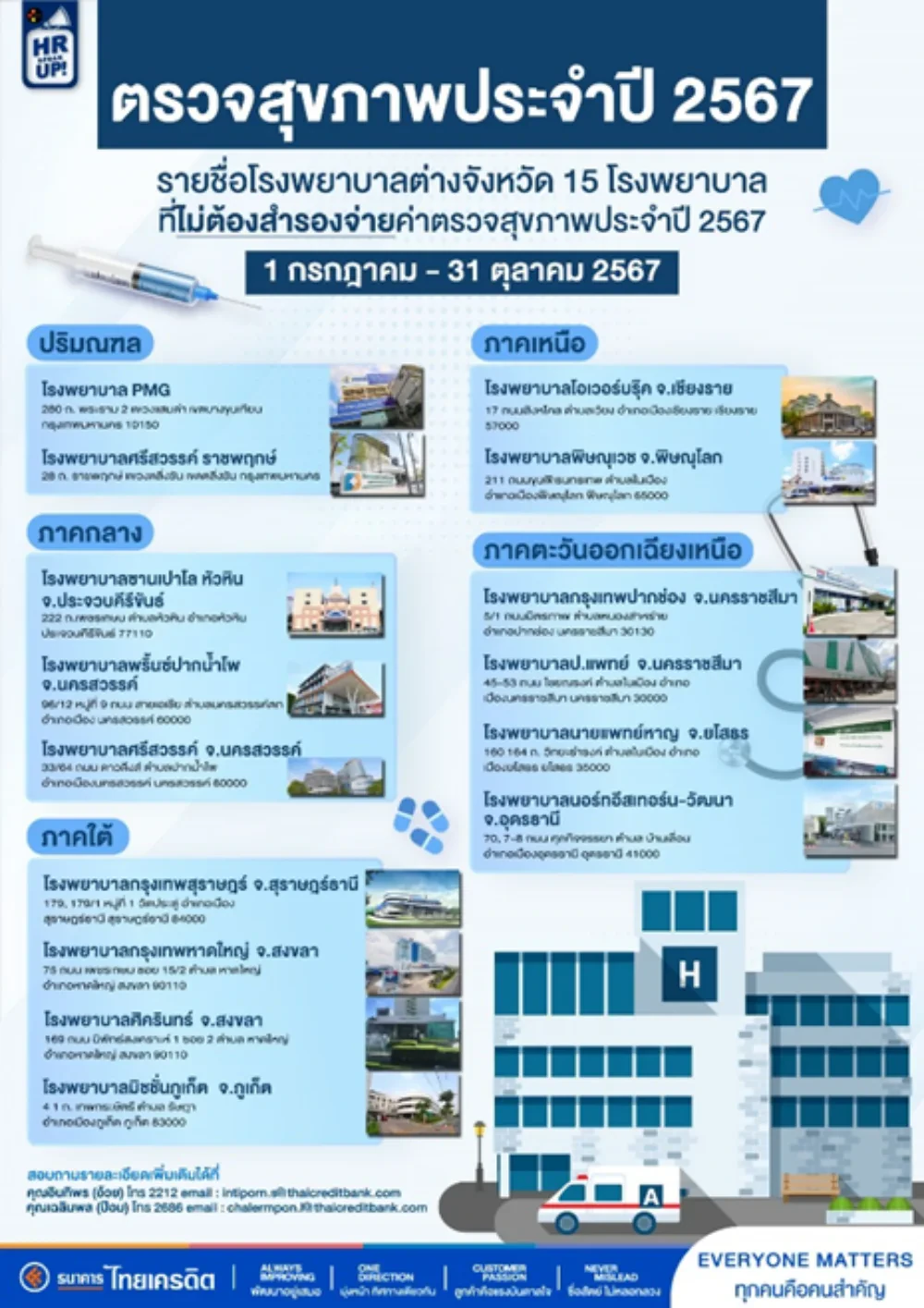
The Bank has set a goal to promote employee well-being across physical, mental, and workplace environmental dimensions. The key performance outcomes in 2024 are as follows:
2025 Performance Highlights

Challenge and Opportunity
However, business opportunities arise from the Bank's ability to embed a 'Safety Culture' into the corporate DNA. This not only mitigates labor risks but also enhances employee engagement, strengthens the Bank’s image as a 'people-caring organization,' and serves as a comprehensive model for management based on ESG principles.


Management Approach and Value Creation
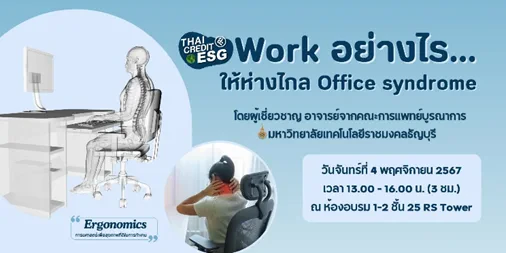
Thai Credit Bank has established a systematic Occupational Health and Safety policy, encompassing workplace risk management, environmental assessment, and preventive health promotion, operating under the labor law framework.
In practice, the Bank has appointed an Occupational Safety, Health, and Working Environment Committee to collaboratively manage and oversee business premises, workplaces, and employees. This is to ensure safe and hygienic working conditions, providing assurance that the operations of employees and relevant stakeholders will not result in harm to life, body, mind, or health.